Clapboard Siding: A Timeless Exterior Rooted in Craftsmanship and Tradition
Walk through almost any historic neighborhood, and you’ll notice something remarkable. Long before modern composites, engineered materials, and factory-finished products transformed residential construction, countless homes relied on one beautifully simple exterior solution: clapboard siding.
These homes have weathered changing seasons, evolving architectural trends, and generations of families. Their exteriors continue telling stories—not through elaborate ornamentation, but through carefully layered wooden boards that have quietly protected the structures beneath them for centuries.
There is something deeply reassuring about clapboard siding. Its repeating horizontal lines create order without rigidity, texture without excess, and elegance without demanding attention. Rather than chasing contemporary fashions, clapboard reflects an architectural philosophy grounded in proportion, craftsmanship, and honest materials.
“The finest homes never rely on trends. They rely on materials that age with dignity.”
Perhaps that is why clapboard continues to inspire admiration. It reminds us that true beauty often develops gradually, becoming richer through time rather than fading with it.
Chapter One: The Language of Clapboard
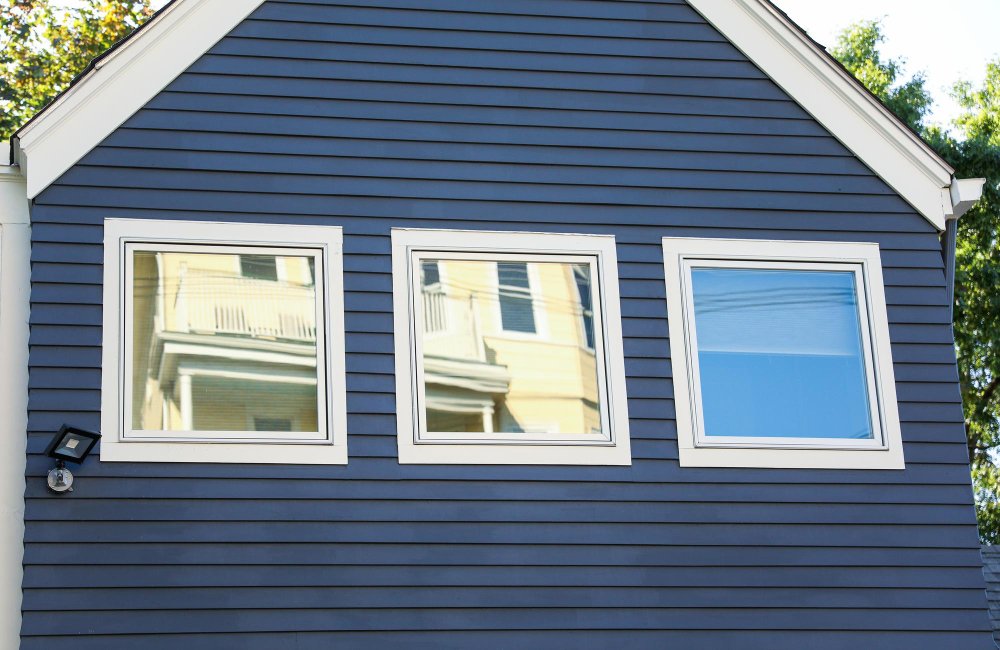
To understand clapboard siding is to appreciate one of architecture’s oldest conversations between craftsmanship and nature. At its simplest, clapboard consists of long horizontal boards installed so that each course overlaps the one beneath it. This subtle overlap allows rainwater to flow naturally downward, protecting the wall structure while creating the distinctive shadow lines that have become synonymous with traditional American architecture.
What appears visually uncomplicated is, in reality, the result of generations of practical refinement. Early builders understood that water would always seek the easiest path downward. By arranging boards in overlapping courses, they created an exterior system that worked with gravity rather than against it. Long before modern weather barriers and advanced flashing systems existed, clapboard siding offered homes dependable protection using little more than thoughtful design and careful craftsmanship.
Some of the greatest innovations in building history were never dramatic inventions. They were quiet improvements repeated consistently until they became timeless traditions.
Historically, clapboard siding was crafted from locally available wood species, allowing each region to express its own architectural identity. Cedar weathered beautifully in coastal communities. Pine became common throughout inland settlements. Redwood established its own legacy across parts of the western United States. Although the materials differed, the guiding principles remained remarkably consistent: durability, simplicity, and respect for the environment surrounding each home.
Over time, clapboard evolved beyond its purely functional beginnings. Architects recognized that the horizontal rhythm created by overlapping boards subtly influenced how a home was perceived. The carefully repeated lines emphasized proportion, softened expansive wall surfaces, and introduced gentle shadows that changed with the movement of the sun throughout the day.
Architecture often communicates most effectively through repetition. Every carefully aligned board becomes part of a larger composition that feels balanced without ever becoming monotonous.
This visual language explains why clapboard became closely associated with Colonial homes, Cape Cod cottages, coastal residences, and traditional farmhouses. Even today, these architectural styles continue drawing strength from the quiet confidence that clapboard naturally provides.
Modern manufacturing has expanded homeowners’ choices well beyond traditional wood. Fiber cement, engineered wood, and advanced composite materials now reproduce the familiar appearance of clapboard while offering varying levels of durability and maintenance. Yet despite these technological advances, the essential design has remained remarkably unchanged.
The enduring appeal lies not in the material alone but in the architectural rhythm it creates. Light settles differently across every overlapping course. Morning sunlight highlights crisp edges, afternoon brightness softens the façade, and evening shadows reveal depth that flat surfaces rarely achieve. This continual interaction between light and texture gives clapboard an almost living quality—one that evolves hour by hour, season after season.
Some materials decorate a home. Others become part of its personality. Clapboard belongs firmly to the latter.
Chapter Two: Craftsmanship That Endures
If clapboard siding tells the story of architectural tradition, craftsmanship determines how well that story continues through the decades. Beautiful materials alone cannot protect a home. Their success depends upon the precision with which they are installed and the care invested in every detail long before the finished exterior is admired from the street.
Each board contributes to a carefully layered system designed to manage moisture rather than merely resist it. Proper flashing around windows and doors, thoughtfully installed weather-resistant barriers, adequate ventilation, and carefully spaced joints all work together beneath the visible surface. These hidden elements rarely receive attention, yet they quietly determine whether the exterior will perform gracefully for generations.
The finest craftsmanship is often invisible. Its presence is revealed not through what we see immediately, but through what continues working year after year.
Traditional wood clapboard remains admired for its warmth and authenticity. Cedar continues to offer natural resistance to insects and moisture, while redwood has long been valued for its dimensional stability and rich color. At the same time, modern manufacturing has introduced fiber cement and engineered wood clapboard products that faithfully reproduce the classic appearance while reducing many long-term maintenance demands.
Each material presents its own philosophy of stewardship. Wood rewards attentive maintenance with remarkable character as it matures. Fiber cement offers exceptional durability while preserving crisp architectural lines. Engineered wood seeks a thoughtful balance between natural beauty and modern performance. Rather than replacing one another, these materials expand the possibilities available to today’s homeowners.
“Great craftsmanship begins long before the first board is installed.”
Finishing becomes equally important. High-quality paints protect clapboard from prolonged exposure to moisture while allowing homeowners to express their architectural vision through color. Carefully selected stains celebrate the grain itself, permitting the natural texture of the wood to remain visible beneath transparent protective coatings. Both approaches succeed when preparation, application, and ongoing maintenance receive the same attention as the siding itself.
Enduring architecture is never created through shortcuts. Every thoughtful decision quietly strengthens the one that follows.
Routine inspection also becomes part of preserving clapboard’s character. Addressing small cracks in paint, replacing damaged boards promptly, maintaining caulking, and ensuring water drains away from the structure all contribute to an exterior capable of aging gracefully rather than deteriorating prematurely.
Industrial roofing is about far more than repairing damaged materials. Written in a reflective, book-chapter style, this article explores how professional roof repair supports reliable operations, protects valuable assets, and extends the service life of industrial facilities through thoughtful maintenance and expert craftsmanship.
Learn how modern bathroom renovations create luxurious and efficient living spaces in Kootenai.
Chapter Three: Why Timeless Design Still Matters
Every generation introduces new materials, construction techniques, and architectural trends. Yet despite this constant evolution, clapboard siding continues appearing on newly constructed homes as well as carefully restored historic residences. That continued relevance reveals something important about thoughtful design: authenticity rarely becomes outdated.
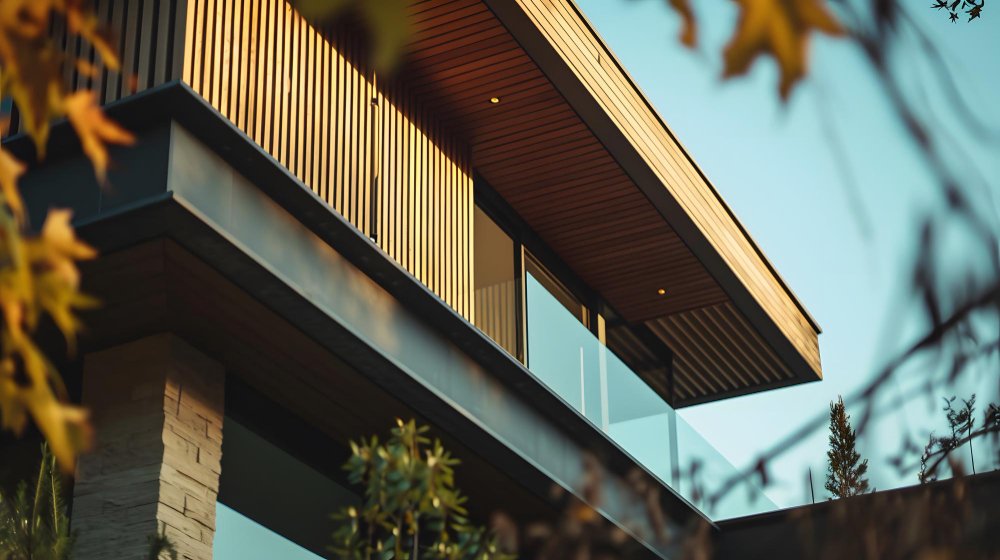
The enduring appeal of clapboard lies in its remarkable ability to adapt without losing its identity. On a classic Colonial home, its overlapping boards reinforce centuries of architectural tradition. Along the coastline, they complement weathered stone, expansive porches, and sweeping ocean views. Within contemporary designs, they introduce warmth that balances minimalist forms, generous expanses of glass, and clean geometric lines.
Timeless materials never compete with architecture—they quietly strengthen it.
Beyond aesthetics, clapboard reflects an investment in longevity. When paired with quality materials, professional installation, and consistent maintenance, it can provide decades of dependable performance while preserving the home’s visual integrity. Homeowners are not simply choosing an exterior finish; they are selecting a building tradition that has demonstrated its value across generations.
Perhaps that is clapboard’s greatest achievement. It proves that simplicity and sophistication are not opposing ideas but complementary ones. Carefully proportioned horizontal boards, subtle shadow lines, and honest materials combine to create homes that feel welcoming, balanced, and enduring without relying on unnecessary ornamentation.
Understanding clapboard sidingultimately means appreciating more than overlapping wooden boards. It means recognizing a philosophy of building rooted in patience, craftsmanship, and respect for both materials and place. Long after trends have shifted and fashions have faded, clapboard continues to remind us that lasting beauty is rarely accidental—it is carefully built, thoughtfully maintained, and quietly experienced every day.


 Learn how luxury vinyl, hardwood, tile, and laminate flooring transform your home with lasting beauty.
 Industrial roofing is about far more than repairing damaged materials. Written in a reflective, book-chapter style, this article explores how professional roof repair supports reliable operations, protects valuable assets, and extends the service life of industrial facilities through thoughtful maintenance and expert craftsmanship.
 Learn how modern bathroom renovations create luxurious and efficient living spaces in Kootenai.