

Flat roofs have become increasingly popular in modern architecture because they provide clean lines, usable outdoor space, and efficient construction opportunities. Homeowners researching roof materials for flat roof systems are often trying to identify an option that balances durability, weather resistance, energy efficiency, and long-term affordability. Unlike traditional pitched roofs, flat roofs require specialized materials that can properly manage water drainage and withstand prolonged exposure to sunlight and environmental conditions.
Choosing the wrong material can lead to premature leaks, structural damage, and costly repairs. Understanding the available options allows homeowners to make a smarter investment that protects their property for decades.
Here are nine of the most common flat roofing materials homeowners should consider.
1. EPDM Rubber Roofing
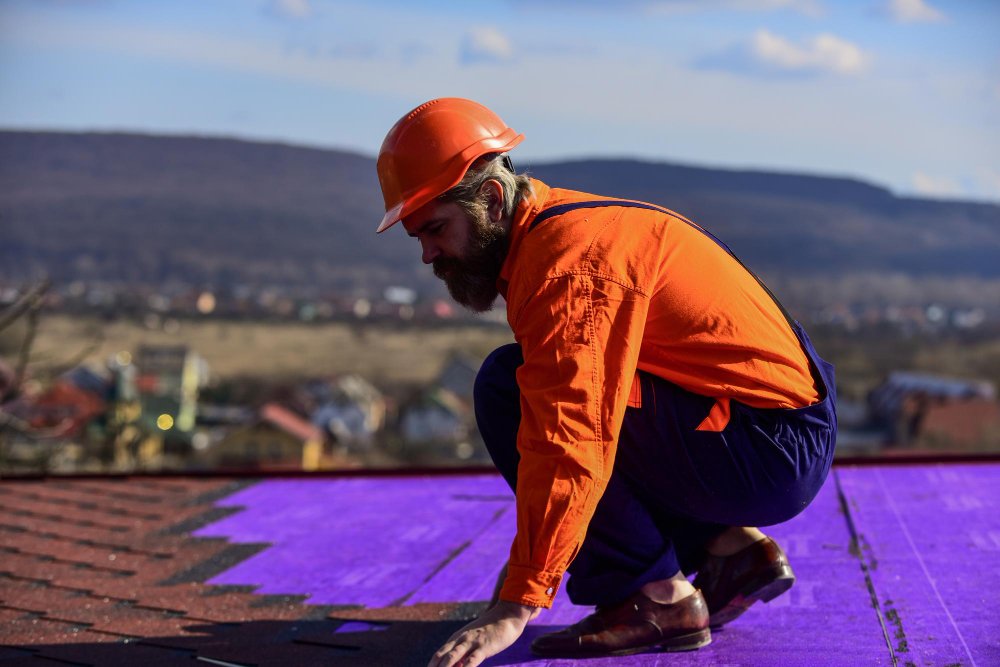
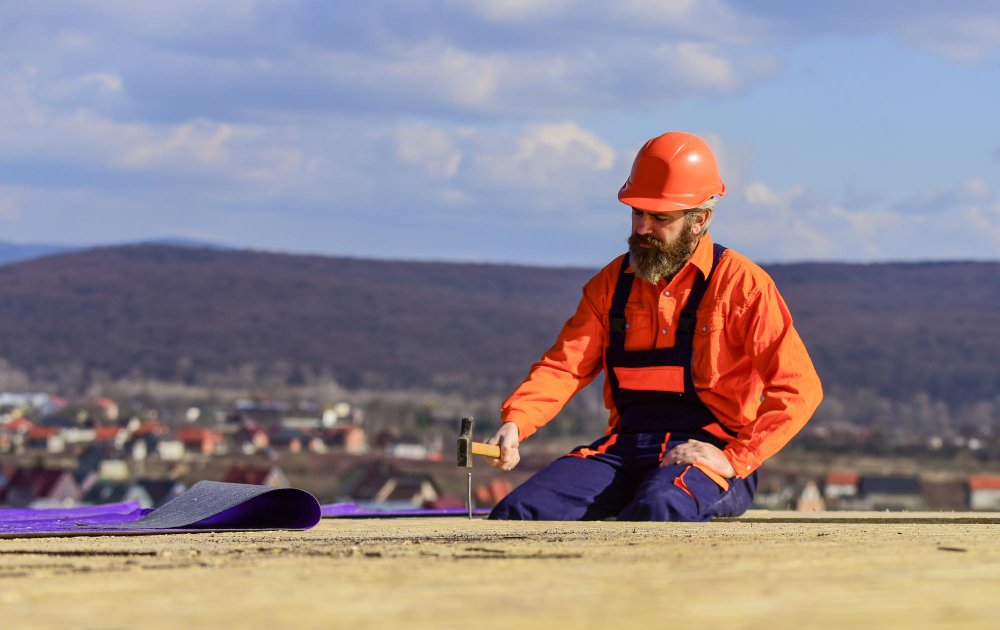
EPDM, also known as ethylene propylene diene monomer, is one of the most widely used flat roofing materials.
Advantages Include:
- Affordable pricing
- Excellent weather resistance
- UV protection
- Long lifespan
EPDM typically lasts between 25 and 30 years when properly maintained.
It is especially popular in residential applications.
2. TPO Roofing Membranes
Thermoplastic polyolefin, commonly called TPO, has gained popularity because of its energy-efficient properties.
Benefits Include:
- Reflective white surfaces
- Reduced cooling costs
- Strong seam construction
- Mold resistance
TPO performs particularly well in warmer climates.
3. PVC Roofing Systems
Polyvinyl chloride roofing is known for exceptional durability.
Homeowners appreciate its:
- Fire resistance
- Chemical resistance
- Strong waterproofing
- Low maintenance requirements
PVC works well on both residential and commercial buildings.
4. Modified Bitumen Roofing
Modified bitumen is an asphalt-based roofing system.
It incorporates reinforcing materials for added strength.
Advantages Include:
- Excellent flexibility
- Strong weather resistance
- Durability in temperature fluctuations
This material has been trusted for decades.
5. Built-Up Roofing (BUR)
Built-up roofing uses multiple layers of asphalt and protective materials.
Benefits Include:
- Excellent waterproofing
- Strong durability
- Reliable performance
Its layered construction provides excellent protection.
However, installation can be labor intensive.
6. Spray Polyurethane Foam Roofing
Spray foam roofing creates a seamless surface.
Benefits include:
- Superior insulation
- Reduced air leakage
- Energy savings
Proper application is essential for long-term success.
7. Metal Flat Roofing
Metal roofing systems are becoming more common.
Popular materials include:
- Aluminum
- Steel
- Copper
Advantages Include:
- Exceptional longevity
- Modern aesthetics
- Fire resistance
Metal roofs may last over 50 years.
8. Green Roofing Systems
Green roofs incorporate vegetation and engineered drainage layers.
Benefits Include:
- Natural insulation
- Stormwater management
- Environmental benefits
- Improved aesthetics
Structural evaluations are necessary before installation.
9. Concrete Roofing Systems
Concrete flat roofs provide exceptional strength.
They are commonly used in:
- Contemporary homes
- Luxury residences
- Commercial properties
Concrete performs extremely well when properly waterproofed.
How to Choose the Best Material
When evaluating roof materials for flat roof projects, several factors should guide your decision.
Consider:
- Local climate
- Budget
- Energy efficiency goals
- Maintenance preferences
- Architectural style
Every home has unique requirements.
Read More in Hometown Winners Blog
- Premium Flooring Solutions in Kuna, ID: Choosing Beautiful Floors That Stand the Test of Time
 Learn how luxury vinyl, hardwood, tile, and laminate flooring transform your home with lasting beauty.
 - Industrial Roof Repair Services: The Quiet Engineering That Keeps Businesses Running
 Industrial roofing is about far more than repairing damaged materials. Written in a reflective, book-chapter style, this article explores how professional roof repair supports reliable operations, protects valuable assets, and extends the service life of industrial facilities through thoughtful maintenance and expert craftsmanship.
 - Upgrade Your Bathroom in Kootenai, ID: Modern Remodeling Ideas for Comfort and Long-Term Value
 Learn how modern bathroom renovations create luxurious and efficient living spaces in Kootenai.
Climate Conditions Matter
Environmental factors greatly influence performance.
Hot Climates
Recommended materials:
- TPO
- PVC
- Spray foam
Cold Climates
Recommended materials:
- EPDM
- Modified bitumen
Wet Climates
Recommended materials:
- PVC
- Built-up roofing
Choosing climate-appropriate materials extends roof lifespan.
Energy Efficiency Considerations
Flat roofs directly influence indoor comfort.
Energy-saving upgrades include:
- Reflective coatings
- Additional insulation
- Ventilation improvements
- Cool roof technologies
These features may lower utility bills.
How Flat Roofs Increase Property Value
Modern roofing systems can boost resale potential.
Benefits include:
- Enhanced curb appeal
- Improved energy performance
- Long-term durability
- Reduced maintenance expenses
Contemporary designs continue attracting buyers.
Professional Installation Is Essential
Flat roofs require specialized expertise.
Professional contractors ensure:
- Proper drainage slopes
- Waterproof membrane installation
- Code compliance
- Long-term durability
Improper installation is one of the leading causes of flat roof failures.
Many homeowners exploring flat roof roofing materials discover that quality installation is just as important as selecting premium products.
Questions Homeowners Should Ask
- What climate do I live in?
- What is my roofing budget?
- How much maintenance am I willing to perform?
- Do I want energy-efficient upgrades?
- How long will I stay in this home?
Answering these questions simplifies the decision-making process.
Selecting the right roof materials for flat roof systems is one of the most important investments homeowners can make. Every material offers different advantages in durability, energy efficiency, maintenance, and appearance.
By carefully evaluating your climate, budget, and long-term goals, you can choose a roofing solution that protects your home for decades.
Understanding roof materials for flat roof projects before construction begins ensures a stronger investment, greater comfort, and improved property value.