

“Every dependable industrial facility shares one common characteristic: the systems protecting it continue performing long after people stop noticing they exist.”
Chapter One: The Roof No One Notices Until It Matters
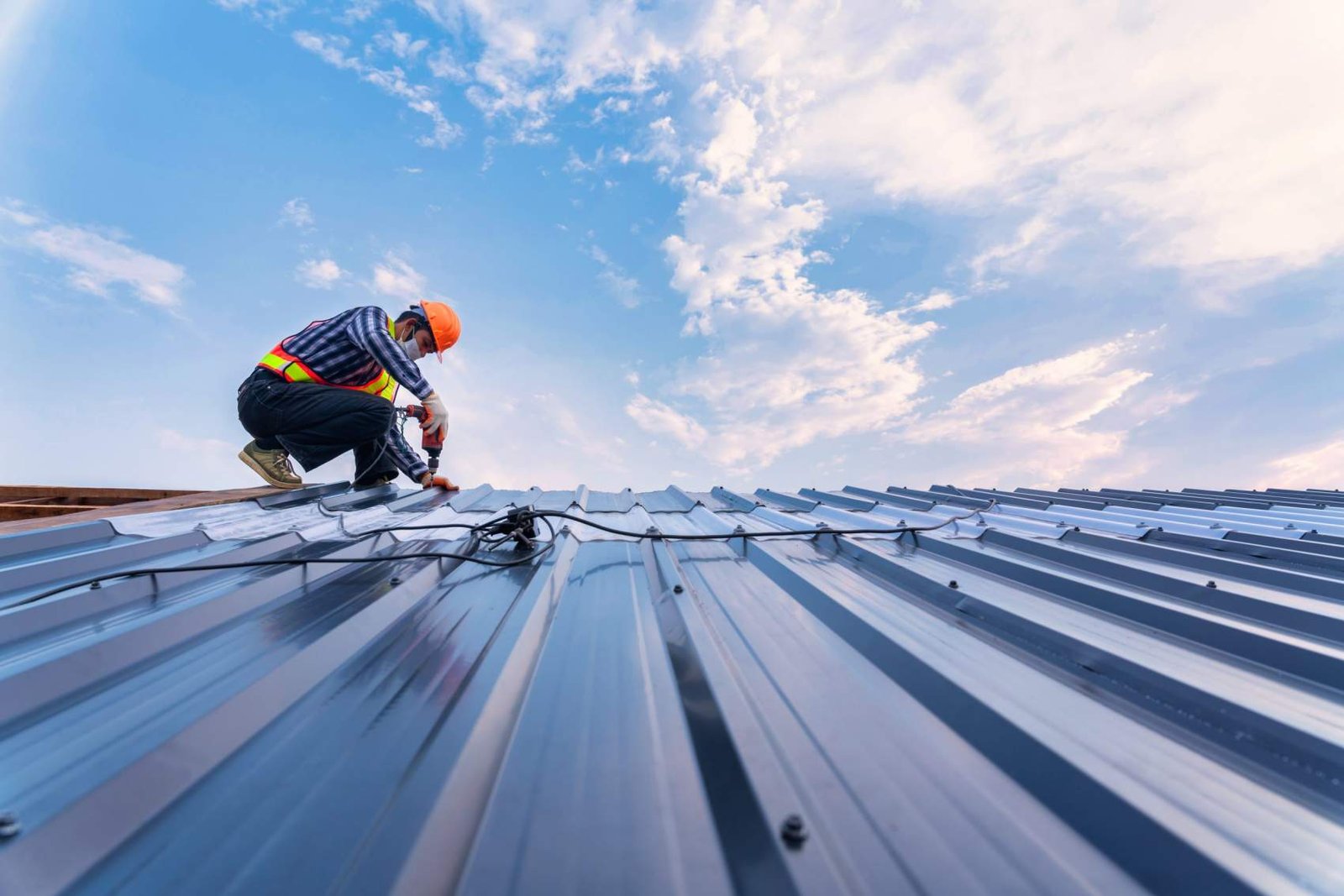
There is a quiet irony in industrial construction. The better a roofing system performs, the less attention it receives. Employees arrive for work each morning assuming the building will remain dry and comfortable. Production schedules continue uninterrupted. Inventory remains protected. Machinery operates within carefully controlled environments. Day after day, the roof fulfills its responsibility without becoming part of the conversation. Only when water finds an unexpected path into the building does the roof suddenly command everyone’s attention. A small ceiling stain appears near equipment. Moisture is discovered around a rooftop penetration. Heavy rainfall reveals weaknesses that had developed gradually over many years. What seems like an isolated problem often reflects a much broader story unfolding above the ceiling. Industrial roofs endure extraordinary demands. They support large mechanical systems, ventilation equipment, communication infrastructure, and maintenance traffic while resisting continuous exposure to ultraviolet radiation, thermal expansion, wind, and precipitation. Every seam, flashing detail, drainage component, and insulation layer contributes to the building’s ability to function as intended. When deterioration begins, it rarely happens all at once. Sealants gradually lose flexibility. Flashing experiences years of movement around rooftop equipment. Drainage paths become restricted. Small imperfections accumulate quietly until changing weather conditions expose them. The roof has not suddenly failed—it has simply reached the point where thoughtful professional attention becomes essential. Understanding this gradual process changes the way property owners view repairs. Instead of reacting to failure, they begin recognizing repair as an important part of responsible building stewardship.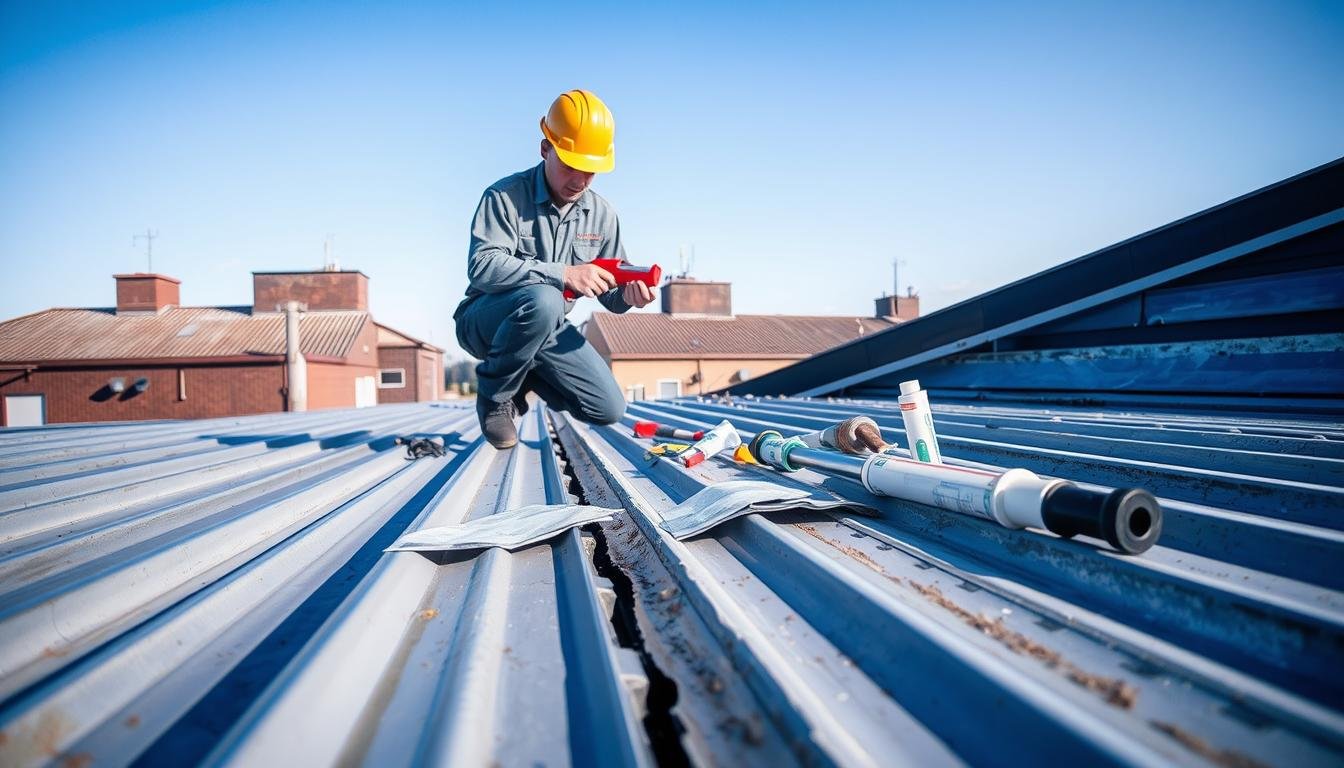
Chapter Two: Repairing More Than Materials
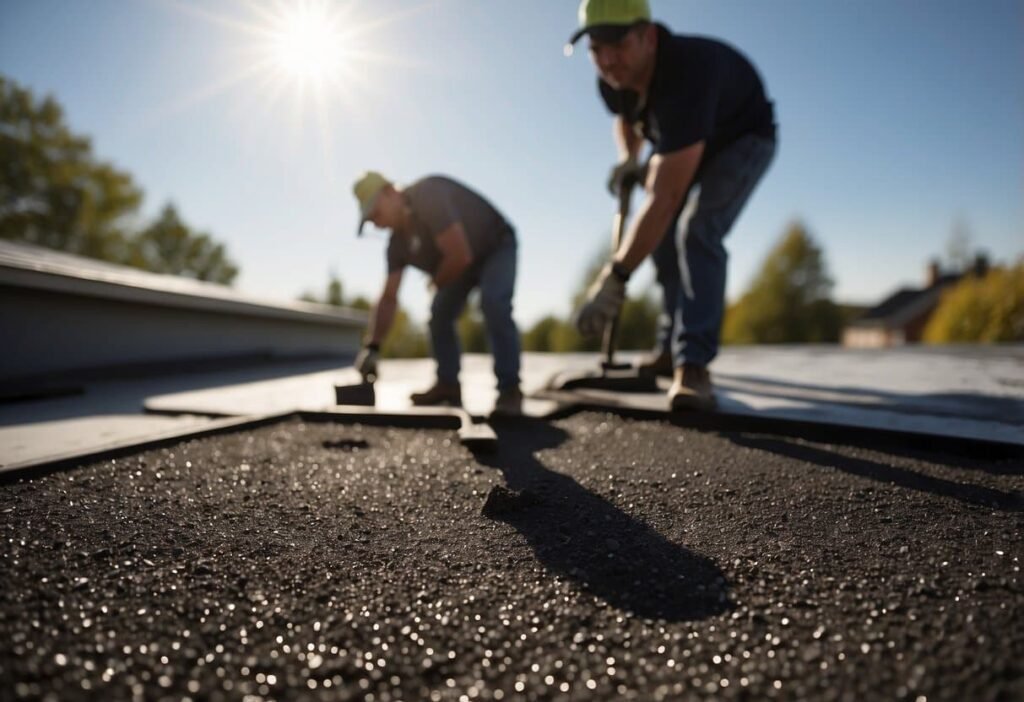
Industrial roof repair is often misunderstood as the replacement of damaged materials. In reality, experienced roofing professionals approach each project as an exercise in restoring the integrity of an entire building envelope. The membrane, insulation, flashing, drainage system, roof penetrations, and structural transitions all function together. Repairing one component without understanding the others rarely produces lasting results. Every successful repair therefore begins with observation. Roofing specialists study how water moves across the roof, where thermal movement affects building components, how rooftop equipment interacts with waterproofing details, and whether previous repairs continue performing as intended. This careful evaluation frequently reveals opportunities to strengthen the overall roofing system while correcting the immediate concern. The process demands patience as much as technical skill. A repair completed with precision can preserve years of remaining roof life, while a rushed temporary solution often postpones rather than prevents future problems. The difference lies not only in craftsmanship, but also in understanding how every repair influences the long-term performance of the entire facility. The finest industrial roof repairs are those that become invisible—not because they disappear, but because they allow the building to return to its quiet, dependable rhythm.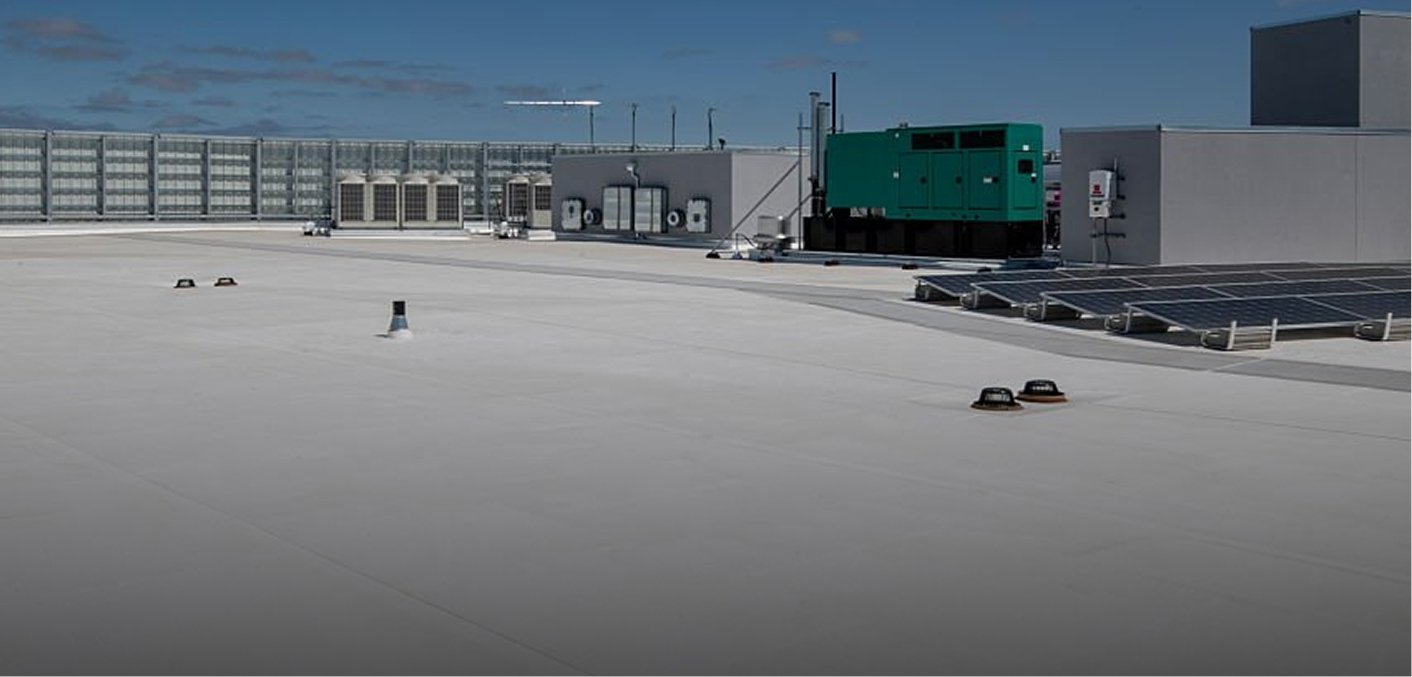
Chapter Three: The Legacy of Preventive Care
Every industrial building eventually tells two stories. One is visible in its walls, production areas, loading docks, and machinery. The other exists above them all, hidden within the roofing system that quietly protects every operation below. The quality of that second story is determined not only by the day the roof was installed, but by every inspection, maintenance visit, and repair completed throughout its life. This is why experienced facility managers rarely think of roof repair as a reaction to failure. Instead, they see it as an ongoing investment in reliability. A carefully maintained roof supports predictable operations, protects valuable equipment, preserves inventory, and reduces the likelihood of costly interruptions that affect employees, customers, and business partners alike. Professional inspections often reveal opportunities long before visible leaks develop. Aging flashing can be renewed before water reaches the interior. Membrane seams showing early signs of weathering can be reinforced while they remain structurally sound. Drainage systems can be restored before standing water accelerates deterioration. Each of these actions represents a small decision that contributes to the long-term performance of the building. For organizations seeking dependable Professional Commercial Roof Repair, the greatest value often comes from this proactive philosophy. Rather than waiting for roofing emergencies to interrupt business operations, property owners gain a clear understanding of their roof’s condition and a practical strategy for preserving it year after year. The repair itself becomes only one chapter in a much longer story of responsible facility management. Buildings that continue serving businesses for decades are rarely defined by extraordinary moments. They are defined by hundreds of thoughtful maintenance decisions made long before problems become visible.“Great craftsmanship is measured not by how often it is admired, but by how consistently it continues protecting the people who depend on it.”
Read More in Hometown Winners Blog
- Premium Flooring Solutions in Kuna, ID: Choosing Beautiful Floors That Stand the Test of Time
 Learn how luxury vinyl, hardwood, tile, and laminate flooring transform your home with lasting beauty.
 - Industrial Roof Repair Services: The Quiet Engineering That Keeps Businesses Running
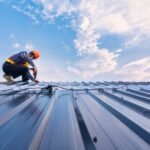 Industrial roofing is about far more than repairing damaged materials. Written in a reflective, book-chapter style, this article explores how professional roof repair supports reliable operations, protects valuable assets, and extends the service life of industrial facilities through thoughtful maintenance and expert craftsmanship.
 - Upgrade Your Bathroom in Kootenai, ID: Modern Remodeling Ideas for Comfort and Long-Term Value
 Learn how modern bathroom renovations create luxurious and efficient living spaces in Kootenai.