

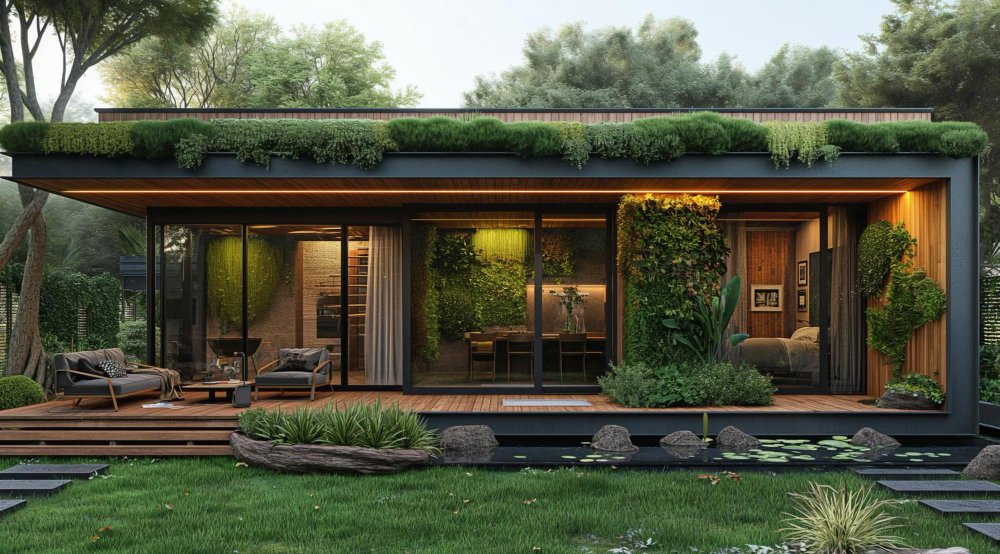
Thinking About a Greener Home? Start with Your Siding!
Thinking about making your home more environmentally friendly? You might be surprised to learn that one of the biggest opportunities isn’t inside your home—it’s right on the outside. Choosing Eco-Friendly Siding Choices can reduce energy consumption, improve durability, and give your home a beautiful new look at the same time. Many homeowners focus on windows or insulation first, but have you ever considered how much your siding contributes to your home’s overall performance? The right material protects your investment while reducing maintenance and environmental impact for decades.“Choosing sustainable materials isn’t just about protecting the planet—it’s about creating a home that performs better every single day.”


Why More Homeowners Are Choosing Eco-Friendly Siding
Sustainable building materials have come a long way over the past decade. Today’s siding products combine exceptional durability with attractive designs, giving homeowners plenty of stylish choices without sacrificing performance. One of the biggest advantages is long-term efficiency. High-quality siding helps stabilize indoor temperatures, meaning your heating and cooling systems don’t have to work as hard throughout the year. Here are some of the biggest benefits:- Improved energy efficiency that may lower monthly utility costs.
- Long-lasting durability with fewer repairs and replacements.
- Reduced environmental impact through recycled or renewable materials.
- Better moisture protection for your home’s structure.
- Excellent curb appeal that can increase property value.
Quick TipWhen comparing siding products, don’t focus only on the purchase price. Consider lifespan, maintenance costs, insulation performance, and warranty coverage. A slightly higher upfront investment often delivers greater savings over time.

Popular Eco-Friendly Siding Choices Worth Considering
Not every sustainable siding product is the same. Each material offers its own combination of appearance, maintenance requirements, and long-term value. Understanding the differences makes choosing the right solution much easier. Here are some of today’s most popular eco-friendly siding choices:- Fiber Cement Siding — Made from cement, sand, and cellulose fibers, it offers exceptional durability, fire resistance, and minimal maintenance.
- Engineered Wood Siding — Manufactured using wood fibers and advanced resins, it delivers the warmth of natural wood with improved durability.
- Reclaimed Wood Siding — Gives older lumber a second life while adding unique character and reducing construction waste.
- Recycled Metal Siding — Often made from recycled steel or aluminum, it is highly durable, recyclable, and resistant to insects and moisture.
- Insulated Vinyl Siding — While traditional vinyl has environmental concerns, newer insulated products improve energy performance and reduce heating and cooling demands.
Read More in Hometown Winners Blog
- Eco Friendly Siding: A Smart Choice
 Eco friendly siding is a smart way to boost your home’s efficiency, durability, and sustainability. With options like fiber cement, reclaimed wood, and recycled metal, going green has never been easier. Learn more about the best materials and why they’re a great investment for the future.
 - Explore Kitchen and Bath Showrooms in Your Area
 Want to find the perfect kitchen and bath showroom? Compare materials, engage with experts, and explore innovative designs with this detailed guide.
Making the Right Investment for Your Home
Choosing environmentally friendly siding isn’t simply about following a trend. It’s about investing in a home that performs better year after year while requiring less maintenance and fewer resources. Many homeowners initially worry about cost, but sustainable siding often pays for itself through lower maintenance expenses, improved energy efficiency, and longer product life. That’s a combination that’s difficult to ignore. Before making your final decision, remember to:- Compare expected lifespan—not just purchase price.
- Review manufacturer warranties carefully.
- Choose products suited for your local climate.
- Hire experienced installers for proper performance.
- Consider insulation and moisture protection together with siding selection.